When Americans think about admirals in the Pacific in WWII, names like Nimitz, Spruance, and Halsey spring to mind. You cannot fully understand the war in the Pacific if you don’t also look at the leaders on the Japanese side—men like Yamamoto, Kurita, and Nagumo.
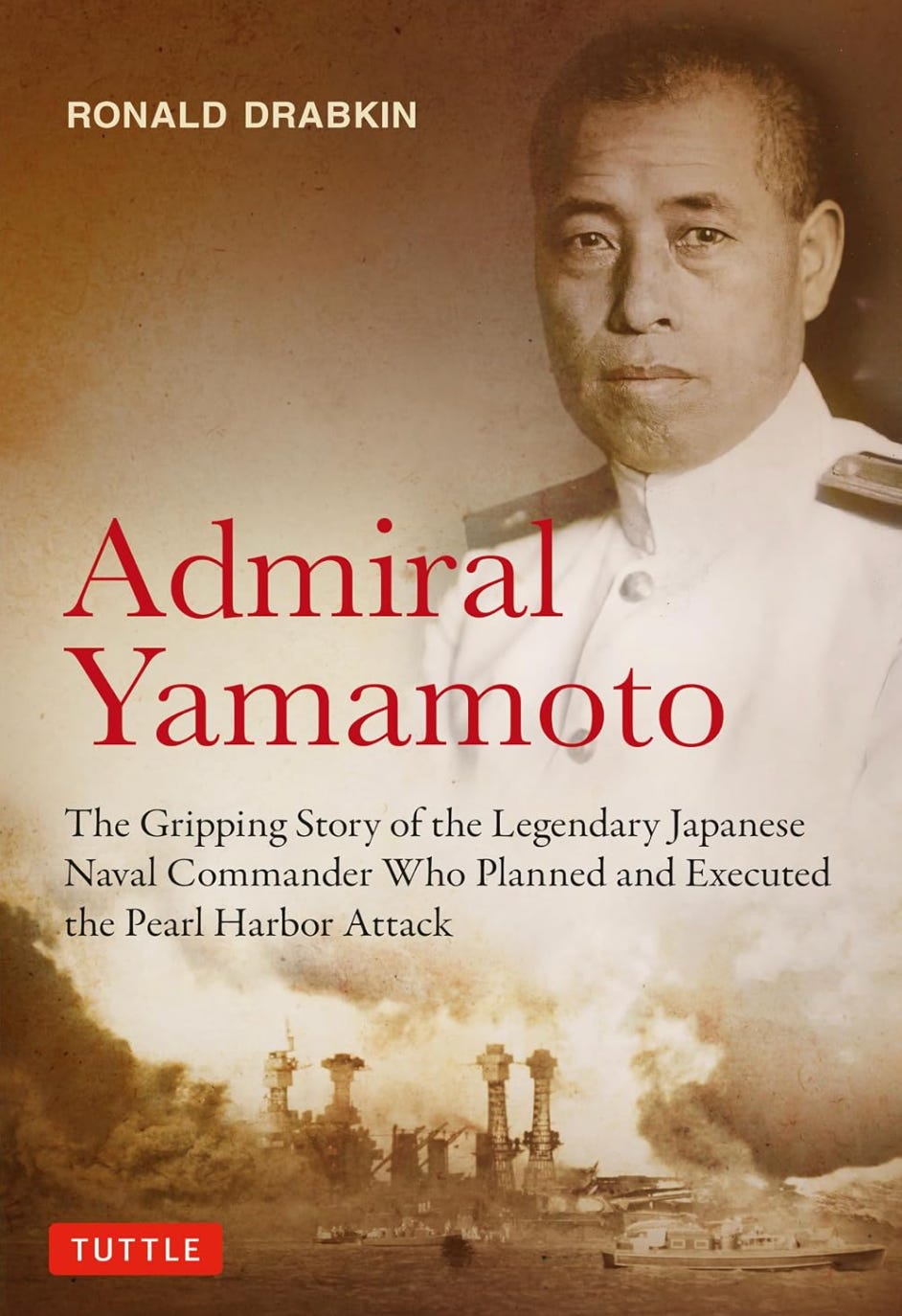
On this week’s Midrats Podcast, we’re going to dive into the story of Admiral Yamamoto with our guest, Ronald Drabkin. We’ll tap into his research that led up to his next book, Admiral Yamamoto: The Gripping Story of the Legendary Japanese Naval Commander Who Planned and Executed the Pearl Harbor Attack.
Summary
In this episode, we explore the life and legacy of Admiral Yamamoto, a complex Japanese naval leader with a nuanced understanding of America, who played a pivotal role in World War II. Join us as we delve into his background, strategic mindset, and the lessons from his career.
Key Topics
- Yamamoto’s early life and education
- His understanding of America and its influence
- Naval strategies and battles in WWII
- Japanese military culture and rivalry
- Leadership style and personal quirks
- Impact of his decisions on WWII
- His relationships and personal life
- Post-war perception and legacy
00:00 - Live intro and how Midrats handles audience questions
01:16 - Why the show is revisiting World War II and Admiral Yamamoto
02:41 - Ron Drabkin joins the show and the new book on Yamamoto
05:07 - Yamamoto’s childhood as Takano and the missionary who changed his life
07:21 - Lincoln, Franklin, and the ideals Yamamoto admired in America
10:11 - His letters reveal his real reactions to the United States
12:02 - Academy struggles, bullying, and the chip on his shoulder
14:14 - Poker, bluffing, cigars, and the gambling instinct
16:01 - The Russo-Japanese War and the loss of his fingers
19:19 - Why Yamamoto went to Mexico looking for oil
21:16 - The War College visit and Yamamoto’s aggressive curiosity
22:56 - Building Japanese naval aviation and rejecting battleship thinking
26:01 - Ruthless training standards and the cost in pilot losses
28:27 - Why the Japanese Army and Navy could barely cooperate
31:38 - The strategic logic behind a short war and Pearl Harbor
36:09 - Was Pearl Harbor supposed to force U.S. collapse?
38:07 - Midway planning and Yamamoto’s longer-term thinking
40:30 - Chioko, letters, and what his private life revealed
45:35 - Why Japanese submarines were not used as commerce raiders
46:45 - Vice Admiral Hori, friendship, and the survival of Yamamoto’s papers
49:34 - The myth of “Harvard-educated” Yamamoto and his lack of American friends
51:32 - Navy versus Army politics in Imperial Japan
54:04 - The Washington Naval Treaty and Yamamoto’s frustration
55:24 - Would Yamamoto’s survival have changed the war?
57:52 - How Japan views Yamamoto today
59:57 - Book release timing and where to find it
Ronald Drabkin is a popular author of books on World War II and espionage history. He initially learned Japanese while attending a Japanese University, before starting a career at Intel and other high tech companies.He learned as an adult that his father had worked in counterintelligence for the US military. Curiosity about his father’s work drove him to do research that resulted in his first papers and book on Japanese naval intelligence.
He noted that the romanticized American view of Admiral Yamamoto as a “reluctant warrior” didn’t seem accurate. Furthermore, no new biography of Yamamoto had been published in a very long time, and substantial new information was available in Japan.
He has spent the last three years researching Yamamoto’s life across Japan and has even met and heard stories from Yamamoto’s family and some of his admirals, such as Kurita and Nagumo.
More episodes from "Midrats"

Don't miss an episode of “Midrats” and subscribe to it in the GetPodcast app.