“We’re Failing to Evaluate How Biologists Could Misuse AI” by AI Frontiers
Subtitle: Most AI biorisk studies look at how AI models might help novices complete biological tasks. But experts with AI assistance could be far more dangerous.
Sumnima Singh — November 12, 2026
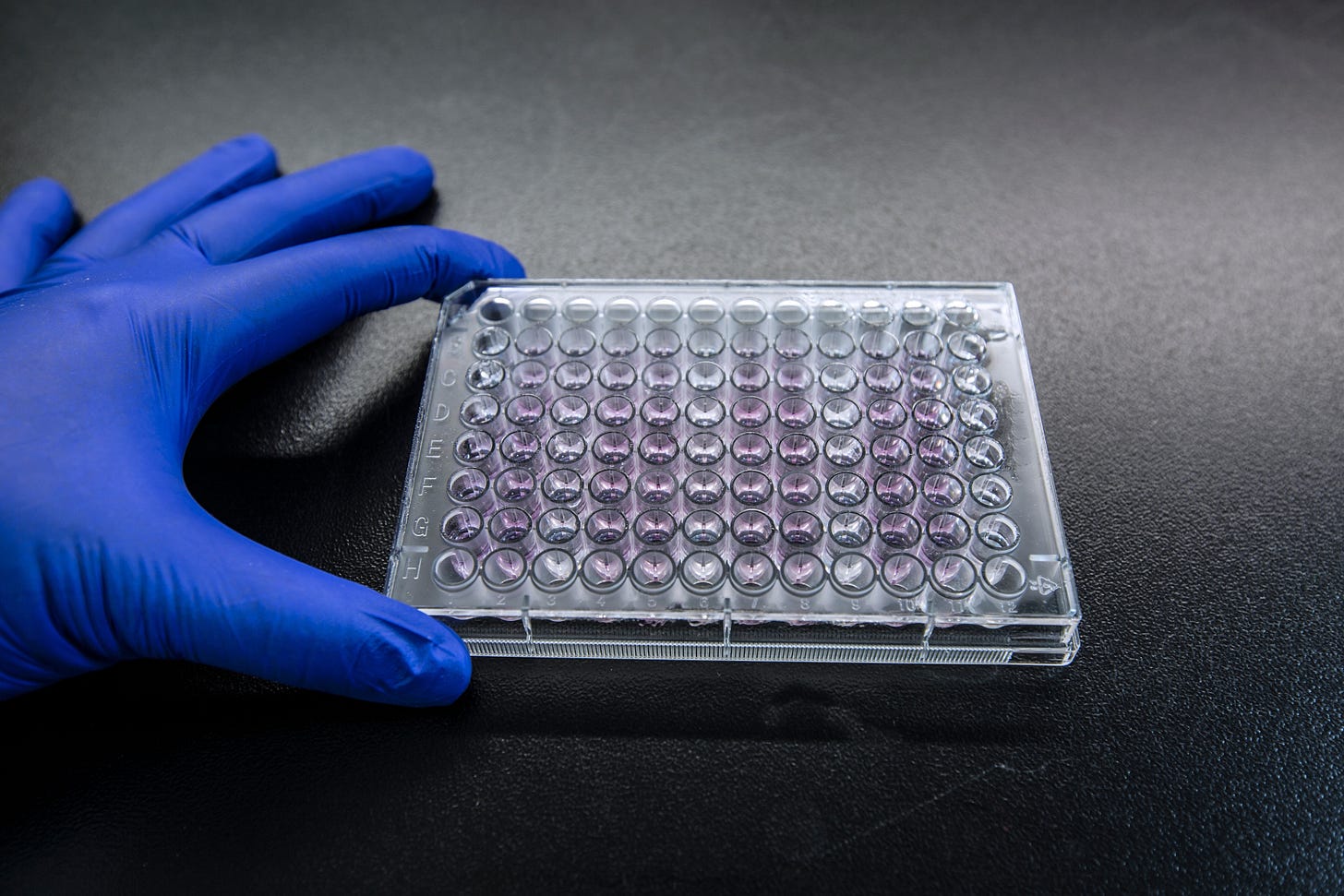
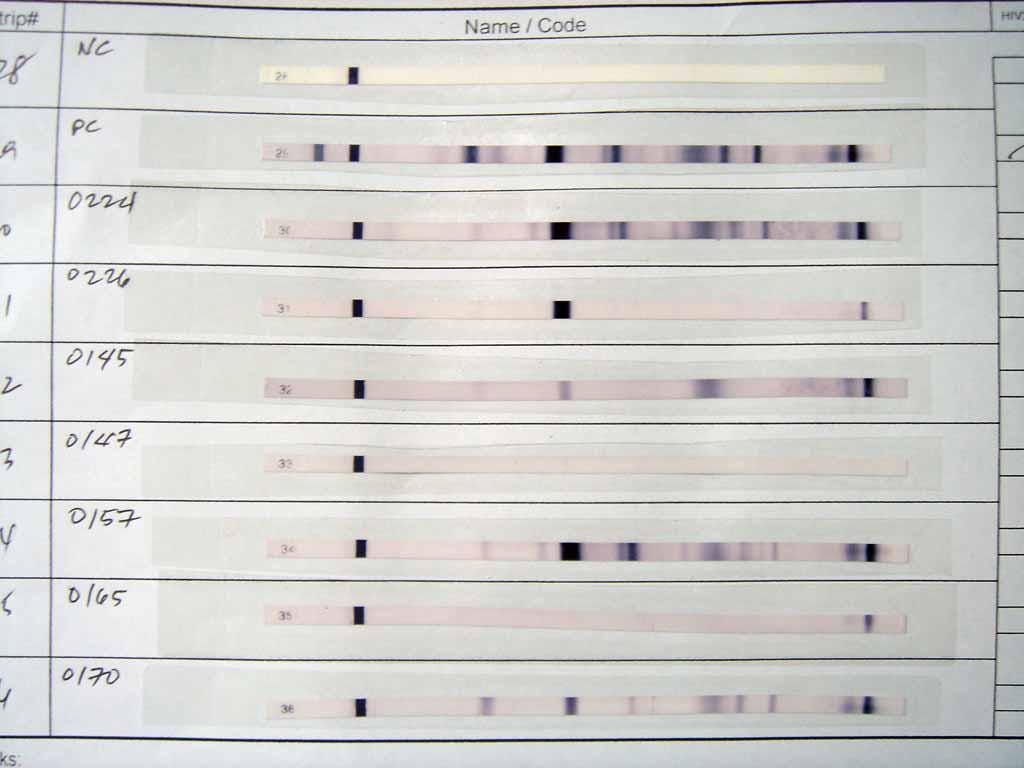
Things were not going well for me in the lab. I had just started my PhD, studying how our immune system evolved to protect us against infections. To move this project forward, I needed to detect certain antibodies in blood samples. That required an experiment using western blotting, a laboratory technique for identifying specific proteins, which typically takes about a week. But I had never worked in a lab before, and western blotting is famously finicky. I was lucky to have a strong mentor and detailed protocols to follow. Still, month after month, the experiment failed.
Eventually, almost in passing, a colleague with years of experience in western blotting suggested that the culprit might be a degraded reagent: the running buffer. In western blotting, this key chemical solution carries the electric current that separates proteins in a gel so that they can be detected. Sure enough, when I prepared a fresh batch of the buffer and ran the two experiments side by side, the fresh buffer [...]
---
Outline:
(03:41) What Existing Evaluations of AI in Biology Actually Measure
(10:25) Why Expertise Could Amplify the Advantage of AI Assistance
(14:50) Why Expert Uplift Could Change Biological Risk
(17:35) Putting Expert Uplift to the Test
(21:52) Implications for AI-Biosecurity
---
First published:
November 12th, 2026
Source:
https://newsletter.ai-frontiers.org/p/were-failing-to-evaluate-how-biologists
---
Narrated by TYPE III AUDIO.
---
Images from the article:
Apple Podcasts and Spotify do not show images in the episode description. Try Pocket Casts, or another podcast app.
Więcej odcinków z kanału "AI Frontiers"
Nie przegap odcinka z kanału “AI Frontiers”! Subskrybuj bezpłatnie w aplikacji GetPodcast.