“The Pythagorean Theorem as a “whole,” with its own character” by AnnaSalamon
Tldr: Some thoughts on mathematical “explanation,” and on what makes a given bit of math helpful.
What is still unexplained, after a proof?
If I saw a physical phenomenon I did not understand (eg the tides, pre-Newton), I’d try to hold it in my mind, as a known clue to the unknown forces. I’d add it to my lists of clues, and would collide hypothesized new patterns against it to see if they made a match. (I’d know the tides were a good clue, because tides are ‘thingy’; they are obviously patterned.)
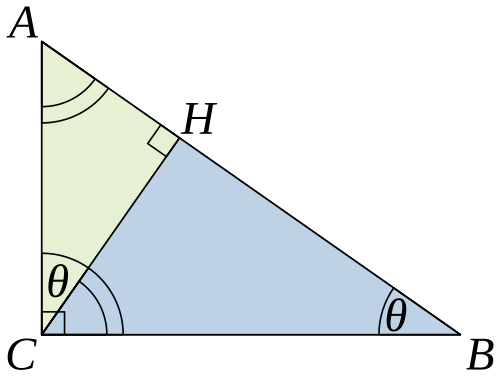
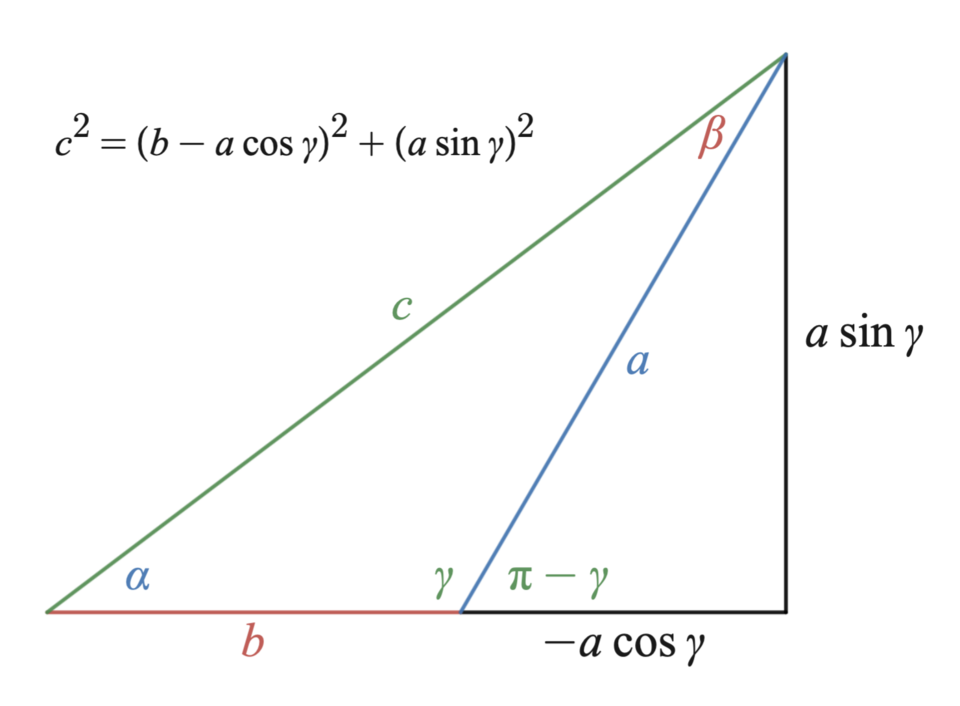
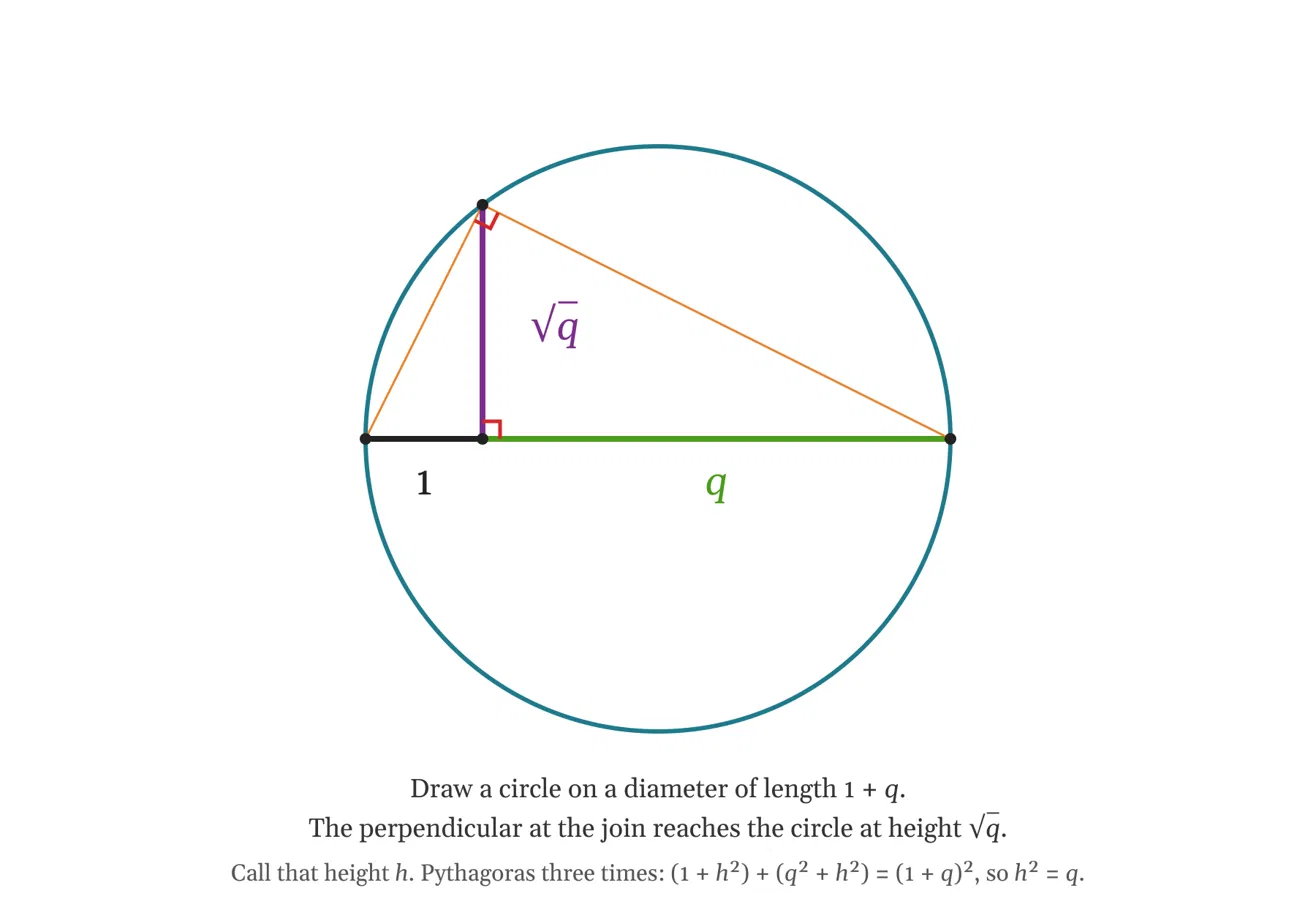
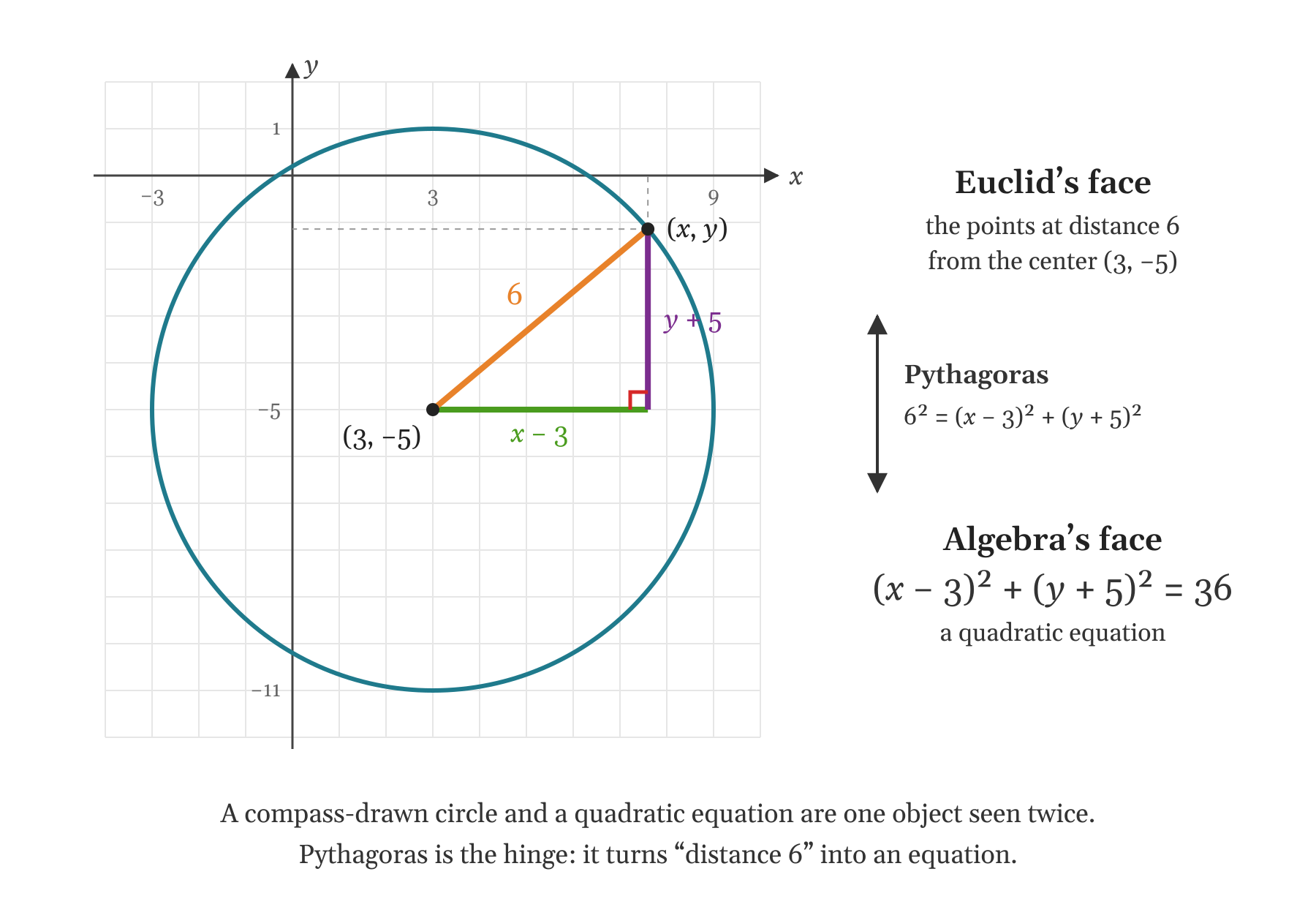
Now imagine a person stumbles upon the Pythagorean theorem. Perhaps they are an ancient mathematician setting foot where none had tread before; perhaps they are a contemporary kid being told a thing on e.g. educational television. Regardless: our person is initially surprised: “huh, really? What? Why? How's it work?” they say. They say this because, like the tides, the Pythagorean Theorem is obviously ‘thing-like.’ It is not an arbitrary-looking conglomeration, like the letters on my license plate or the coffee grounds on my rug. There's a pattern here.[footnote: In this way it half-reminds me of Paley's watch – the famous thought experiment in which a person [...]
---
Outline:
(00:18) What is still unexplained, after a proof?
(03:36) Worthwhile mulling must eventually pay rent
(04:57) Pieces of math with their own "character"
(07:19) To "cast new light on old results"
The original text contained 1 footnote which was omitted from this narration.
---
First published:
November 24th, 2026
---
Narrated by TYPE III AUDIO.
---
Images from the article:
Apple Podcasts and Spotify do not show images in the episode description. Try Pocket Casts, or another podcast app.
Weitere Episoden von „LessWrong (30+ Karma)“
Verpasse keine Episode von “LessWrong (30+ Karma)” und abonniere ihn in der kostenlosen GetPodcast App.