“We’re Failing to Evaluate How Biologists Could Misuse AI” by AI Frontiers
Subtitle: Most AI biorisk studies look at how AI models might help novices complete biological tasks. But experts with AI assistance could be far more dangerous.
Sumnima Singh — November 12, 2026
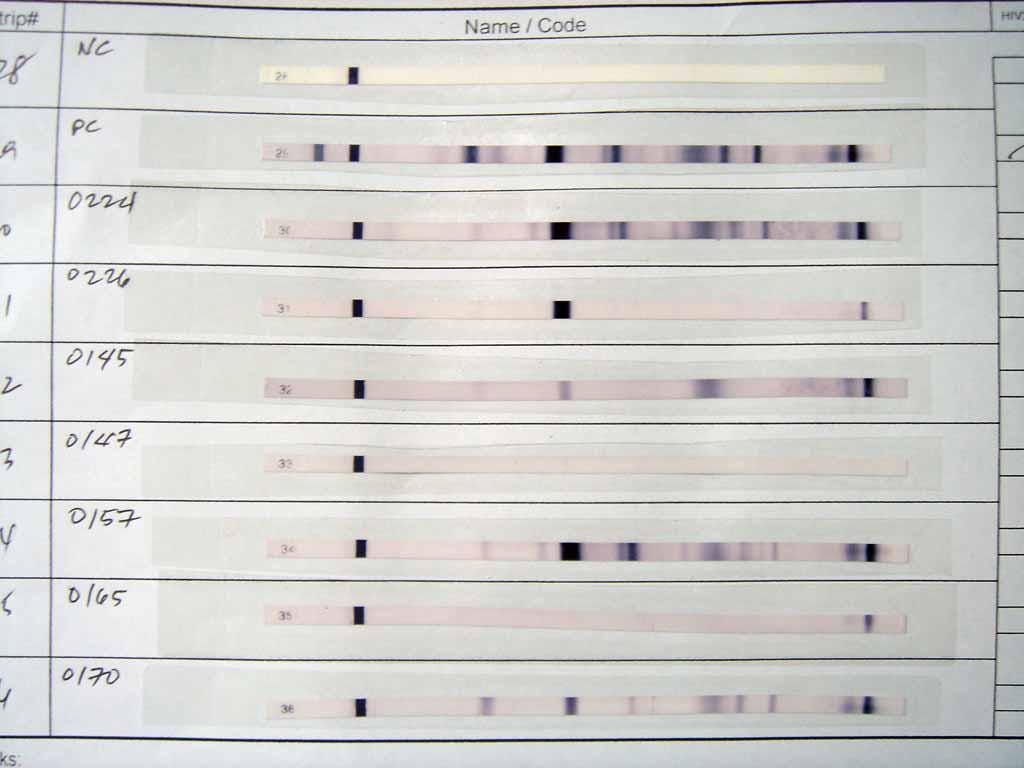
Things were not going well for me in the lab. I had just started my PhD, studying how our immune system evolved to protect us against infections. To move this project forward, I needed to detect certain antibodies in blood samples. That required an experiment using western blotting, a laboratory technique for identifying specific proteins, which typically takes about a week. But I had never worked in a lab before, and western blotting is famously finicky. I was lucky to have a strong mentor and detailed protocols to follow. Still, month after month, the experiment failed.
Eventually, almost in passing, a colleague with years of experience in western blotting suggested that the culprit might be a degraded reagent: the running buffer. In western blotting, this key chemical solution carries the electric current that separates proteins in a gel so that they can be detected. Sure enough, when I prepared a fresh batch of the buffer and ran the two experiments side by side, the fresh buffer [...]
---
Outline:
(03:41) What Existing Evaluations of AI in Biology Actually Measure
(10:25) Why Expertise Could Amplify the Advantage of AI Assistance
(14:50) Why Expert Uplift Could Change Biological Risk
(17:35) Putting Expert Uplift to the Test
(21:52) Implications for AI-Biosecurity
---
First published:
November 12th, 2026
Source:
https://newsletter.ai-frontiers.org/p/were-failing-to-evaluate-how-biologists
---
Narrated by TYPE III AUDIO.
---
Images from the article:
Apple Podcasts and Spotify do not show images in the episode description. Try Pocket Casts, or another podcast app.
Weitere Episoden von „AI Frontiers“
Verpasse keine Episode von “AI Frontiers” und abonniere ihn in der kostenlosen GetPodcast App.